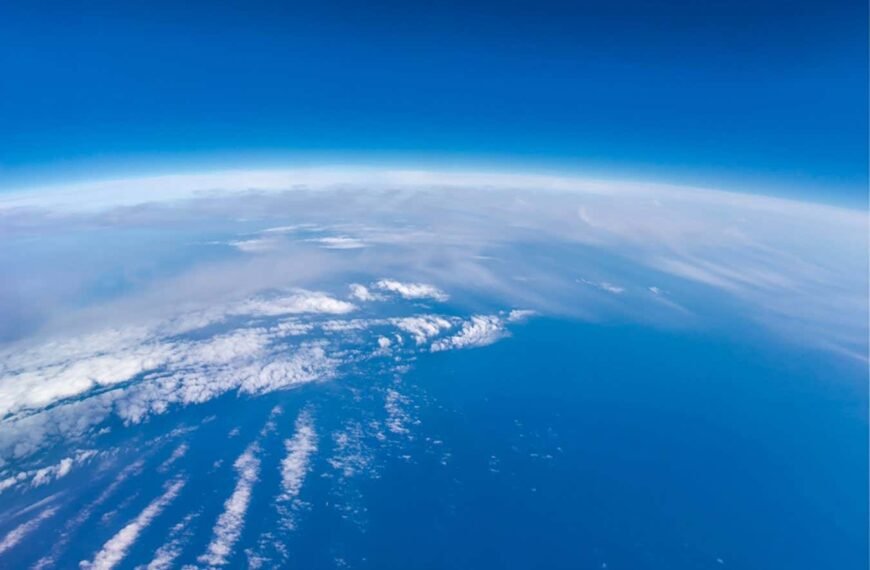
We have more satellites than ever before, but when they burn up they create a new kind of air pollution. Evidence is now revealing what effects this could have and how to tackle it

Search The Query

 By rahulmedcure
We have more satellites than ever before, but when they burn up they create a new kind of air pollution. Evidence is now revealing what effects this could have and how to tackle it

When rocks fracture in underground faults, they generate a variety of chemical compounds that could provide more energy…
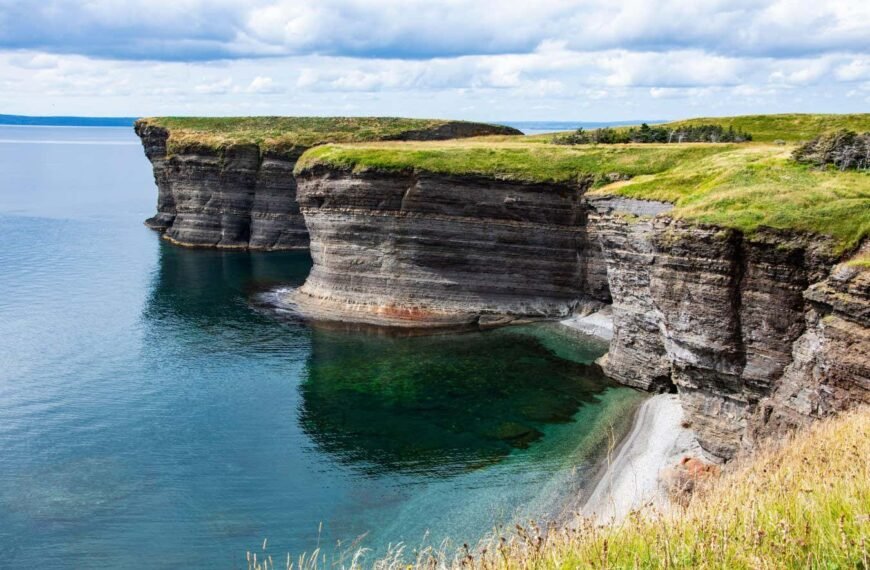
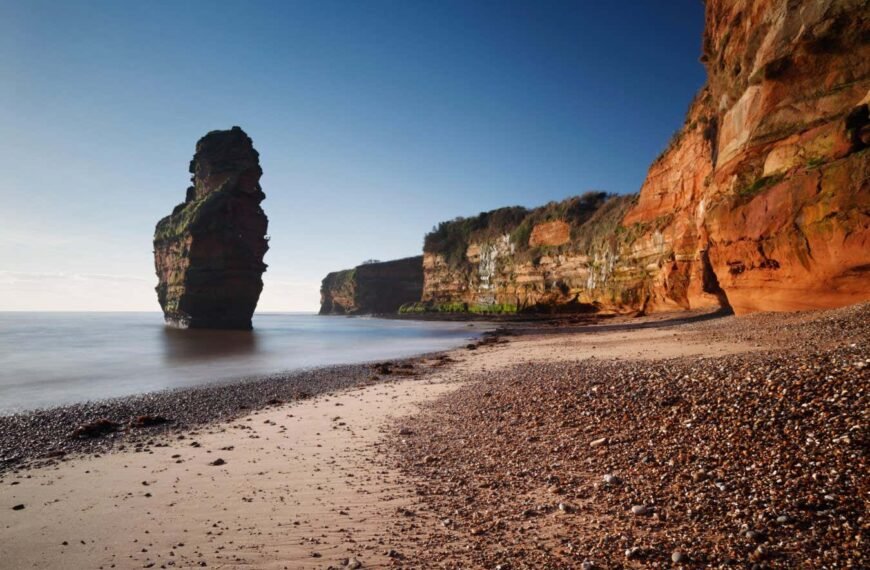
Clues to our planet’s dramatic past are in the layers of rocks we might overlook. A great guide…
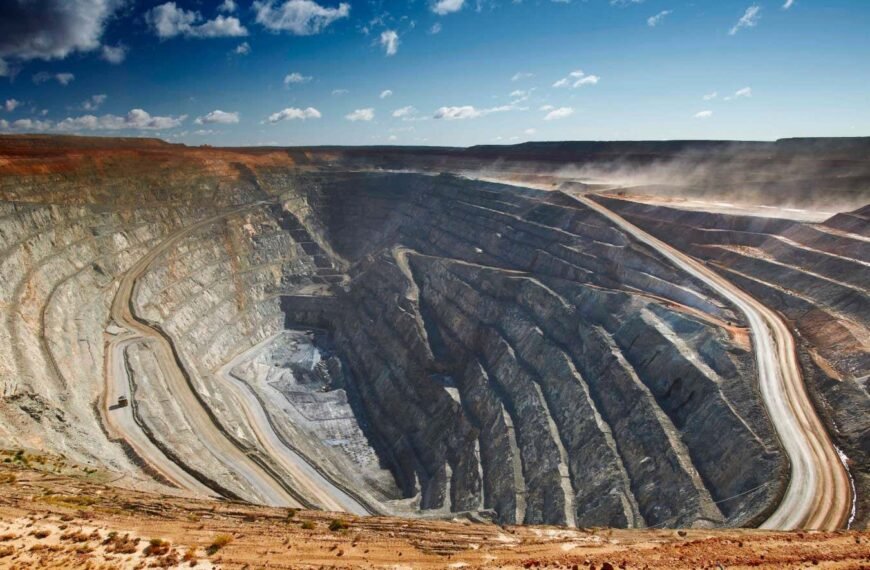
A carbon dioxide removal company in Canada is experimenting with ways to treat mining waste to capture and…
Changes in rock formations from before and after the mass extinction event 66 million years ago may reflect…
Ice core records of atmospheric hydrogen reveal a huge rise in concentration since the Industrial Revolution which has…
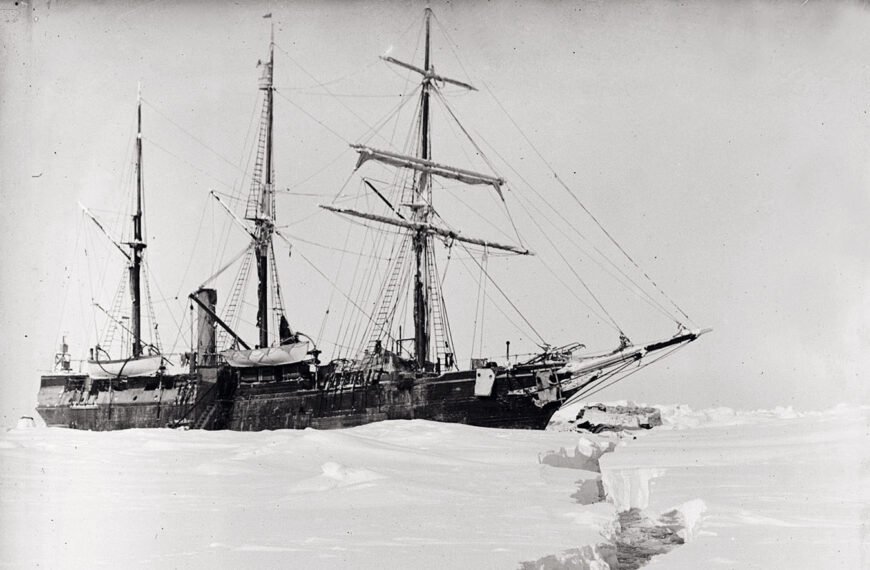
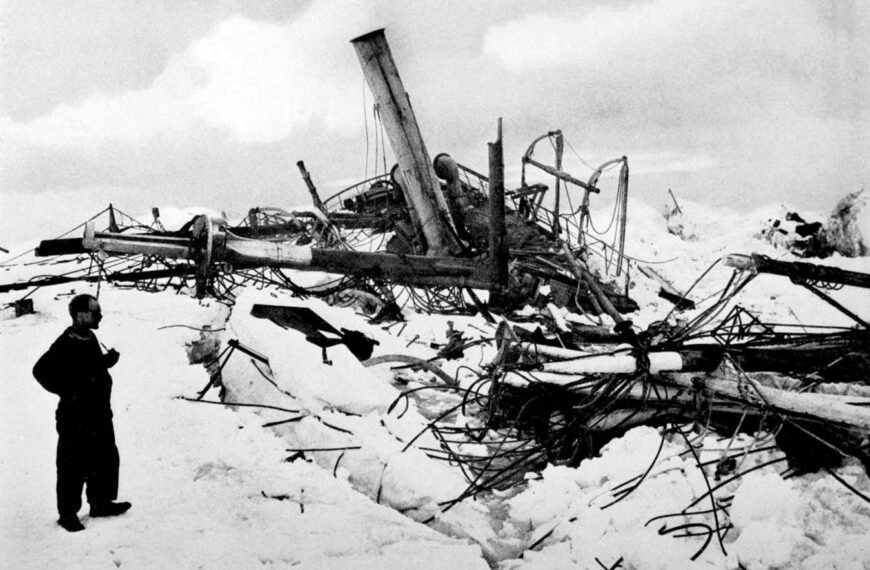
Endurance, the wooden ship that Ernest Shackleton took to Antarctica in 1915, wasn't built to withstand frozen seas…
In her new book, earth scientist Anjana Khatwa writes a love letter to Earth's rocks and mountains, offering…
Lake Turkana in Kenya, known as the cradle of humanity, has shrunk in recent millennia – and the…
How a Finnish physicist named Karl Lemström once became obsessed with recreating the aurora borealis from scratch –…


 By



 By